





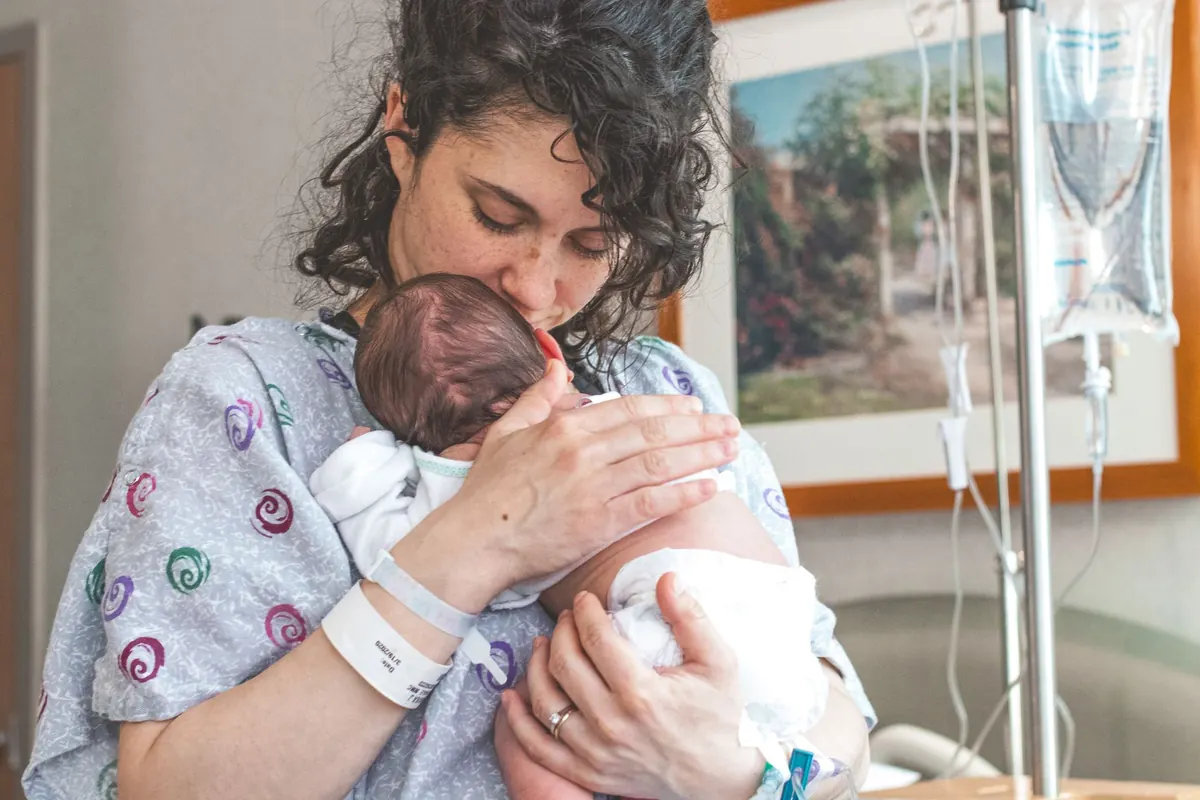
You can have a straightforward vaginal birth and still spend two weeks shuffling to the bathroom. You can have major abdominal surgery and be walking the hallway the next morning. Recovery rarely follows the script people hand you, and comparing cesarean and vaginal recovery is less about which one is harder and more about what your body actually did to get your baby here.
What follows is a realistic picture of the first six weeks, with the honest caveats: every body, every birth, and every hospital discharge plan is a little different. Your own provider's instructions always come first.
Start With What Your Body Actually Did
A vaginal birth stretches and often tears the tissue between the vagina and rectum. You may have stitches, swelling, bruising, hemorrhoids, and a pelvic floor that has been pushed to its limit. That is a lot of healing in a small, sensitive area — but it is soft tissue, and soft tissue tends to recover steadily.
A cesarean is different in kind. Several layers are cut and repaired: skin, fat, fascia, and the uterus itself. Many people who have a cesarean also labored first, so they are recovering from both. Think of it as birth recovery plus abdominal surgery, and it makes more sense that lifting a laundry basket feels impossible at week two.
The First 48 Hours
After a vaginal birth, most people are up and walking within a few hours, sometimes to the shower. Expect ice packs for swelling, medication for pain, and a nurse checking that you can urinate. Soreness usually peaks around day two or three, then begins to ease.
After a cesarean, you may have a catheter for several hours and numbness in your legs. Getting up the first time takes two people and feels strange, not agonizing, if your pain medication is working. Gas pain in the shoulders and abdomen can be surprisingly sharp; walking, gentle movement, and peppermint tea or chewing gum help some people. A belly binder helps others feel supported, but it is not required.
One tip that applies to both: take pain medication on schedule rather than waiting until the pain spikes. Staying ahead of it makes walking, feeding your baby, and sleeping meaningfully easier.
Week by Week: The First Six Weeks
Week 1
Vaginal recovery is often at its most uncomfortable here — stinging with urination, pressure when sitting, and bleeding that looks like a heavy period. A peri bottle, witch hazel pads, and sitting on a pillow or donut cushion are genuinely useful. For cesareans, this is typically the hardest week. Stairs should be limited to a couple of trips a day, and you will likely need help standing up from a low chair or bed. Log-rolling onto your side before pushing up protects your incision.
Weeks 2–3
Vaginal stitches often dissolve around this point, and bleeding usually turns pink or brown. Short walks feel good. After a cesarean, the incision may itch, and a numb or oddly sensitive patch of skin above it is common and can last months. You are probably moving more easily but still tire quickly. Outings are fine if you keep them short and someone else carries the diaper bag.
Weeks 4–6
Many people feel close to normal by now, which is the trap. Your pelvic floor and abdominal wall are still healing even when you feel fine. Leaking urine when you sneeze, a heavy feeling in the pelvis, or pain during sex can show up now. A cesarean is usually cleared for exercise at the six-week visit; even then, start with walking and gentle core work rather than crunches or heavy lifting.
Pain Management, Safely
- Take medications as prescribed, and ask your provider or pharmacist before adding anything over the counter — especially if you are breastfeeding.
- Use stool softeners. The first bowel movement after either type of birth can be intimidating; constipation makes it worse.
- Ice for swelling, heat for muscle tension. Ice packs on the perineum or around (not on) a cesarean incision help in the early days.
- Support the area. A pillow pressed against a cesarean incision when you cough, or a hand pressed gently against the perineum, reduces that awful pulling sensation.
- Ask about pelvic floor physical therapy. It helps after both vaginal and cesarean births, and you do not need a referral in many places.
Getting Moving Again
Walk early and often, in short bursts rather than one long outing. For the first week or two, ask your provider for a specific lifting limit rather than guessing — many restrict you to nothing heavier than your baby. Avoid vacuuming, pushing a loaded cart, and any exercise that makes you hold your breath or brace hard.
Stairs, cars, and beds deserve a plan. Keep one floor of your home stocked with diapers, snacks, and water. If you had a cesarean, do not drive while you are on opioid pain medication or while twisting to check a blind spot hurts.
Warning Signs That Need a Call
Contact your provider promptly — and call emergency services for chest pain or difficulty breathing — if you notice any of the following:
- Bleeding that soaks a pad in an hour, or clots larger than a golf ball
- A fever, or chills that come and go
- Pain that is getting worse instead of better after the first week
- An incision that is hot, red, oozing, or opening
- Discharge with a foul smell, or severe abdominal pain
- A severe headache, vision changes, or swelling in one leg
- Feeling faint, breathless, or unusually anxious and unable to sleep
Trust your gut on this list. You will not be seen as a nuisance for calling.
Your First Six Weeks: A Simple Plan
Set up a recovery station before you need it — water, snacks, phone charger, medication log, and a pillow within reach of where you will feed your baby. Accept specific help: ask one person to handle meals, another to do laundry, another to hold the baby while you shower. Say yes to the nap.
Keep your follow-up visit, write down your questions beforehand, and be honest about pain, bleeding, mood, and pelvic floor symptoms. This article is general information, not medical advice; your provider knows your birth and your body, so follow their instructions over any timeline you read here. Recovery is not a race, and six weeks is a checkpoint, not a finish line.
Photo: Craig Adderley / Pexels